
Choosing the right location is one of the most important decisions for any retail business. Whether an entrepreneur plans to open a clothing store, grocery shop, pharmacy, electronics showroom, salon, café, or lifestyle outlet, the location can significantly influence customer footfall, brand visibility, sales opportunities, and long-term business growth.
Among the various commercial property options available, main-road-facing commercial shops are often considered attractive choices for retail businesses. Located along busy roads, major streets, and prominent commercial stretches, these shops can benefit from high visibility, convenient accessibility, and exposure to a broad audience of potential customers.
In today’s competitive retail market, businesses need more than quality products and competitive prices to stand out. They also need to make it easy for customers to discover their stores, recognize their brands, and visit their premises without unnecessary inconvenience. A strategically located shop facing a main road can help businesses achieve these objectives.
However, the advantages of such properties depend on several factors, including traffic patterns, the surrounding market, parking availability, rental or purchase costs, and the nature of the retail business.
In this blog, we will explore why main-road-facing commercial shops can be advantageous for retail businesses and how choosing the right commercial location can support long-term success.
1. Better Visibility and Brand Recognition
One of the biggest advantages of a main-road-facing commercial shop is its visibility. Unlike shops located inside narrow lanes, hidden courtyards, or less accessible commercial complexes, these shops are often directly visible to pedestrians, motorists, cyclists, and public transport passengers.
This exposure allows businesses to introduce their brands to people who may not have been actively searching for their products or services.
For example, a clothing store located on a busy main road may attract the attention of people travelling to work, shopping nearby, or visiting neighboring establishments. Even if these individuals do not enter the shop immediately, repeated exposure to its signage and storefront can help build brand familiarity.
Over time, customers may remember the store when they need a particular product or service.
Main-road visibility can be especially valuable for businesses that depend on walk-in customers, impulse purchases, and local brand awareness. Restaurants, bakeries, pharmacies, convenience stores, and fashion outlets may benefit from being easy to spot from a distance.
A well-designed storefront, clear signage, attractive window displays, and proper lighting can further strengthen this advantage.
2. Greater Potential for Customer Footfall
Customer footfall plays a significant role in the performance of many retail businesses. The more relevant potential customers pass by a shop, the more opportunities the business may have to generate walk-in visits.
Main roads often connect residential neighborhoods, offices, markets, educational institutions, transport hubs, and other commercial destinations. As a result, they may experience regular movement throughout the day.
A shop situated along such a route can potentially attract customers during different parts of the day, depending on local travel patterns.
For instance, a breakfast café may benefit from morning commuters, while a convenience store may attract shoppers returning home in the evening. A footwear or apparel store may receive visits from people who are already travelling along the road for work or other shopping activities.
However, high traffic does not automatically guarantee high sales. The important consideration is whether the people passing the shop match its target audience and can conveniently enter the premises.
Retailers should therefore evaluate pedestrian movement, nearby destinations, road-crossing points, and customer access before choosing a property.
When these factors align, a main-road-facing shop can provide a valuable opportunity to attract more potential customers.
3. Easier Accessibility for Customers
Convenience is an important part of the retail experience. Customers are more likely to consider visiting a store when they can locate it easily and reach it without unnecessary difficulty.
Main-road-facing shops can offer an advantage because they are generally situated along familiar routes and recognizable streets. Customers may find these locations easier to navigate using maps, local directions, public transportation, or personal vehicles.
This can be particularly beneficial for businesses that serve customers from several nearby neighborhoods rather than a single residential locality.
For example, a furniture showroom, electronics store, diagnostic retail outlet, or home improvement shop may attract customers who are willing to travel a longer distance for a specific product. A prominent road-facing location can make the business easier to find.
Accessibility also matters for repeat customers. When a store is conveniently located on a route that customers already use, they may find it easier to incorporate shopping into their daily routines.
Nevertheless, accessibility should be assessed carefully. A main road with a central divider, limited turning options, heavy congestion, or no safe stopping area may be less convenient than a quieter street.
The ideal commercial property combines prominent positioning with practical access for the intended customer base.
4. Stronger Opportunities for Impulse Purchases
Impulse purchases occur when customers decide to buy something without having planned the purchase in advance.
Retail businesses often benefit from these spontaneous decisions, particularly when their products are affordable, immediately useful, or visually appealing.
Main-road-facing shops can create more opportunities for impulse purchases because their storefronts are exposed to a wider range of passersby.
Consider a bakery displaying freshly prepared cakes, pastries, and snacks. A person passing the store may decide to stop and purchase something simply because the products look appealing.
Similarly, an attractive flower shop, gift store, snack outlet, cosmetics store, or accessories shop may encourage unplanned purchases through appealing displays and prominent signage.
The combination of visibility, product presentation, and convenient entry can help transform passing interest into an actual store visit.
Retailers can strengthen this advantage by keeping their entrances welcoming, displaying popular products near the storefront, maintaining clean windows, and using clear promotional messages.
Seasonal displays, festive offers, and limited-time promotions may also encourage potential customers to explore the store.
5. Improved Brand Credibility and Professional Appeal
A commercial property’s location can influence how customers perceive a retail business.
A well-maintained shop on a prominent road, particularly within an established commercial area, may create a stronger impression of accessibility and professionalism.
For businesses that rely on customer trust, the appearance and surroundings of the premises can be an important part of their overall brand identity.
For example, an electronics showroom with a spacious storefront, visible branding, and an organized display may appear more established to potential customers. Similarly, a salon, boutique, jewellery store, or premium lifestyle outlet may benefit from a location that is easy to recognize and associated with a reputable commercial neighborhood.
However, a main-road address alone does not establish credibility. Product quality, customer service, transparent pricing, cleanliness, and reliable business practices remain essential.
Retailers should view location as one element of their brand presentation rather than a substitute for delivering a good customer experience.
6. Better Opportunities for Outdoor Advertising
Advertising is an important consideration for retail businesses, particularly those operating in competitive local markets.
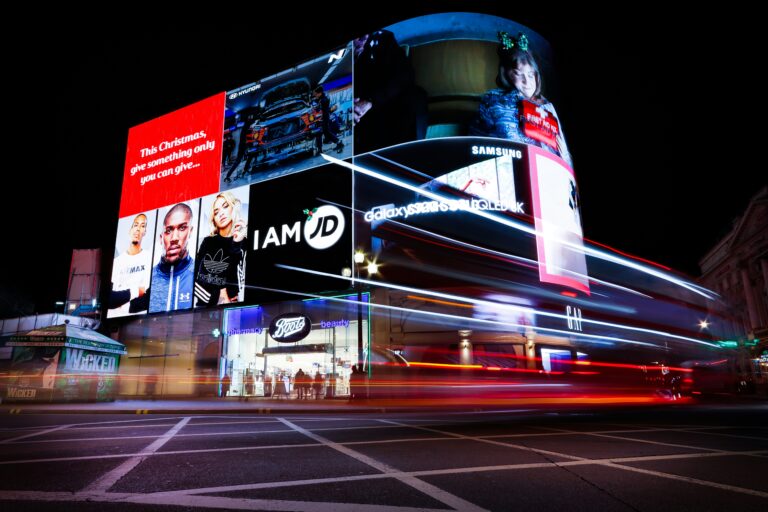
A main-road-facing commercial shop may provide useful opportunities to communicate with potential customers through storefront signage, window graphics, promotional displays, and other permitted forms of outdoor branding.
Because the shop is visible to people travelling along the road, its exterior can function as a continuous local marketing asset.
Unlike a temporary advertisement that reaches an audience for a limited period, an effective storefront can create repeated exposure as people pass the location day after day.
For example, a restaurant can display its cuisine and operating hours, while a pharmacy can make its name and services easy to identify. A clothing store can use seasonal window displays to highlight new collections or promotional campaigns.
Businesses may also benefit from recognizable signage that helps customers locate the shop when following directions or returning for repeat purchases.
Before installing any external signage, retailers should check applicable municipal rules, property restrictions, advertising permissions, and safety requirements.
A prominent location combined with effective visual communication can strengthen local awareness and support customer acquisition.
7. Access to a Larger Catchment Area
A retail shop’s catchment area refers to the geographic area from which it attracts customers.
Main roads frequently connect multiple neighborhoods and commercial destinations, making some road-facing locations accessible to customers beyond the immediate locality.
This can be particularly useful for specialized retailers whose products appeal to a wider audience.
For instance, a furniture showroom may serve several residential communities, while an automobile accessories store may attract customers from different parts of a city. A specialty food outlet or branded apparel store may also benefit from being positioned along a major travel route.
A shop on a prominent road may therefore offer access to both nearby residents and people travelling from other areas.
The actual size of the catchment area depends on factors such as the road network, competition, travel time, public transportation, parking, and the uniqueness of the products offered.
Retailers should study the locations of their target customers and competing businesses to understand whether a particular property can serve a sufficiently large market.
8. Potential for Higher Sales Opportunities
Higher visibility and greater exposure to potential customers can create additional opportunities for sales.
When more relevant people notice a store, some may visit, browse its products, make purchases, or return in the future. For businesses that depend on walk-in sales, this can be an important commercial advantage.
However, sales depend on more than the number of people passing the shop. Conversion rates, average transaction value, pricing, product availability, and customer service all influence revenue.
For example, a grocery store may generate regular purchases by serving nearby residents, while a fashion boutique may depend on attractive merchandise, personalized service, and seasonal demand.
A main-road-facing location can support sales by making the business more discoverable, but retailers must ensure that their products, pricing, and store experience meet customer expectations.
Businesses should track indicators such as daily footfall, the percentage of visitors who make purchases, average order value, and repeat-customer rates to determine whether the location is performing well.
The goal is not simply to attract more visitors, but to attract the right customers and convert their interest into profitable sales.
9. Advantages for Different Types of Retail Businesses
Main-road-facing commercial shops can be suitable for several retail categories, although the benefits vary depending on the business model.
Grocery Stores and Convenience Shops
Grocery stores, mini-markets, and convenience shops often depend on regular purchases and easy access. A visible location near residential areas or commuter routes can help customers stop for everyday essentials.
Convenient entry, short stopping times, and suitable loading arrangements can make these locations particularly useful.
Restaurants, Cafés, and Bakeries
Food businesses can benefit from storefront visibility, recognizable signage, and the ability to attract people passing by.
Restaurants and cafés may also benefit from outdoor branding and prominent menu displays. However, seating, parking, ventilation, delivery access, and applicable food-service permissions must also be considered.
Clothing and Lifestyle Stores
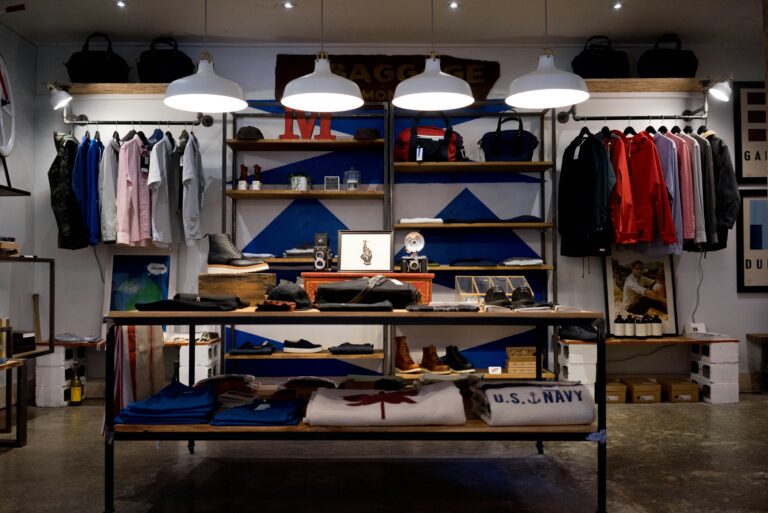
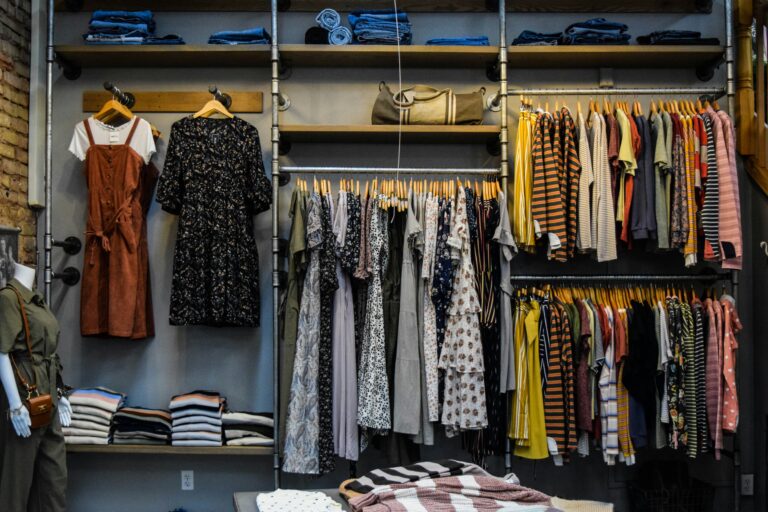
Fashion and lifestyle retailers often rely on visual presentation and brand recognition. A road-facing storefront can help display new collections, promotions, and seasonal products to a broad audience.
An attractive entrance and effective window displays can encourage potential customers to explore the store.
Pharmacies and Healthcare Retail
Pharmacies and other healthcare-related retail businesses may benefit from being easy to locate, particularly when customers need products quickly.
A visible sign, convenient access, and proximity to residential areas or healthcare facilities can be important considerations. Relevant licensing and regulatory requirements must also be satisfied.
Electronics and Furniture Showrooms
These businesses may serve customers from a larger geographical area because their purchases can involve product comparisons, higher spending, and planned visits.
A prominent location can improve discoverability, while sufficient floor space, product display areas, parking, and delivery arrangements remain important.
Salons and Personal Care Stores
Salons, cosmetics shops, and personal care retailers may benefit from repeated local exposure and convenient access for regular customers.
For service-based businesses, visibility can help attract first-time visitors, while service quality and customer retention are critical for sustainable growth.
10. Opportunities for Long-Term Business Growth
Choosing a commercial location should involve more than evaluating immediate sales potential. Retailers should also consider whether the property can support their business as it grows.
A prominent main-road location may provide a foundation for stronger local recognition, a broader customer base, and more opportunities to introduce new products or services.
For example, a small bakery may initially serve nearby residents but later attract customers from surrounding neighborhoods. A boutique may build recognition among local shoppers and eventually expand its product range or establish an online ordering service.
A well-positioned shop can also support local marketing campaigns, partnerships with nearby businesses, and promotional activities aimed at the surrounding community.
Nevertheless, future growth depends on the commercial area’s development, changes in traffic patterns, competition, and the retailer’s financial performance.
Business owners should assess whether the location offers enough space, flexibility, and financial sustainability to accommodate their future plans.
11. Potential Benefits for Commercial Property Investors
The advantages of main-road-facing commercial shops are not limited to the businesses occupying them. Property investors may also find these locations attractive when evaluating commercial real estate opportunities.
Prominent retail locations can appeal to tenants that value visibility, customer access, and storefront exposure. Depending on local demand and property characteristics, this may support tenant interest and rental potential.
For investors, a shop’s position on a main road may therefore be one factor in assessing its commercial appeal.
However, a high-profile location does not guarantee strong rental income, capital appreciation, or easy resale.
Investors should carefully examine purchase prices, prevailing rents, vacancy rates, tenant demand, maintenance costs, property title, permitted commercial use, and potential changes to the surrounding infrastructure.
They should also evaluate whether the shop’s frontage, usable floor area, access, and configuration meet the needs of likely tenants.
A sound investment decision should be based on realistic financial projections and local market evidence rather than visibility alone.
12. Important Factors to Consider Before Choosing a Main-Road-Facing Shop
Although main-road-facing commercial shops can offer several advantages, not every property on a busy road is necessarily a good choice.
Before renting or purchasing a shop, retailers should evaluate the following factors.
Location and Traffic Quality
Study the movement of pedestrians and vehicles at different times of the day and on different days of the week.
A road with substantial vehicle traffic but very few pedestrians may not be suitable for a business that relies on spontaneous walk-in purchases.
Parking and Stopping Facilities
Check whether customers can safely stop or park nearby. Limited parking, traffic restrictions, and difficult entry or exit points can discourage visits.
Businesses selling bulky products or serving customers who arrive by car may need additional parking and loading space.
Rental or Purchase Cost
Main-road-facing shops may command higher prices in certain markets because of their visibility and commercial appeal.
Compare the total occupancy cost with realistic revenue expectations. Rent, maintenance charges, taxes, utilities, staffing, and fit-out expenses should all be included in the financial assessment.
Competition and Nearby Businesses
Nearby competitors can create challenges, but established commercial clusters may also attract customers who want to compare products and prices.
Evaluate whether the surrounding market supports your business category and whether your store can offer a clear point of difference.
Storefront and Layout
A property with a prominent position may still perform poorly if its entrance is difficult to find, its display area is limited, or its interior layout does not suit the business.
Consider frontage width, visibility from both directions, natural lighting, usable floor space, signage opportunities, and the practical arrangement of shelves or displays.
Legal and Regulatory Compliance
Verify the property’s ownership documents, permitted commercial use, building approvals, applicable fire and safety requirements, and any restrictions on signage or alterations.
Businesses operating in regulated categories should also confirm the licences and permissions required for their specific activities.
Future Infrastructure and Development
Road widening, construction activity, new transport links, changes to traffic circulation, and nearby development projects may affect accessibility and commercial performance.
Researching proposed changes can help retailers and investors assess both potential opportunities and risks.
13. How to Maximize the Benefits of a Main-Road-Facing Shop
Securing a good location is only the first step. Retailers should also use the property’s strengths effectively.
Here are some practical strategies.
Invest in clear and attractive signage. Make the business name easy to read and ensure customers can identify the store from the relevant approach directions.
Maintain an appealing storefront. Clean windows, appropriate lighting, organized displays, and a welcoming entrance can encourage people to stop.
Focus on local marketing. Use location-based advertising, business listings, social media, and neighborhood promotions to help potential customers discover the store.
Offer convenient shopping. Clear pricing, helpful staff, efficient checkout, and suitable operating hours can improve the customer experience.
Monitor customer behavior. Record visitor numbers, sales patterns, peak hours, and repeat purchases to identify what works and where improvements are needed.
Use digital channels alongside the physical location. Online ordering, click-and-collect services, digital promotions, and accurate map listings can help a physical store reach customers beyond those who pass by.
Manage costs carefully. Review sales performance and occupancy expenses regularly to ensure the advantages of the location translate into sustainable business results.
By combining a visible location with thoughtful retail management, businesses can make better use of their commercial premises.
Conclusion
Main-road-facing commercial shops can offer meaningful advantages for retail businesses, including stronger visibility, greater opportunities to attract walk-in customers, convenient access, better local brand recognition, and exposure to a wider potential customer base.
These benefits can make such locations attractive for businesses ranging from grocery stores and bakeries to fashion outlets, pharmacies, restaurants, and specialty showrooms.
However, the success of a retail location depends on more than its position along a busy road. Factors such as target-customer alignment, pedestrian activity, parking, competition, property costs, and regulatory compliance must also be considered.
For retailers, the most effective strategy is to select a location that balances visibility and accessibility with operational convenience and financial sustainability. For investors, the focus should be on tenant demand, realistic rental potential, property fundamentals, and long-term market conditions.
Ultimately, a main-road-facing commercial shop can become a valuable business asset when its location matches the needs of the target audience and supports a well-planned retail strategy. The right combination of location, presentation, customer service, and financial discipline can help businesses build stronger local recognition and create opportunities for sustainable growth.